Upholstery cleaning near Ruislip Lido for families: a practical guide to cleaner, safer, longer-lasting furniture
Family life is brilliant, but furniture takes a battering. Sticky hands, muddy school shoes, snack crumbs, pet hair, juice spills, and the occasional mystery mark all build up faster than most people expect. If you have been looking into upholstery cleaning near Ruislip Lido for families, you are probably after something simple: a cleaner home, fewer stains, and a softer landing for everyday life.
That is exactly what professional upholstery cleaning can do. It is not just about making a sofa look nicer for a week or two. Done properly, it helps remove embedded dirt, freshen fibres, reduce lingering smells, and extend the life of the furniture you use every day. And if you have young children, that matters even more. Spilt milk and biscuit dust do not exactly leave on their own, do they?
This guide explains how upholstery cleaning works, what families near Ruislip Lido should look for, how to choose the right approach for different fabrics, and which mistakes are easiest to avoid. You will also find a useful checklist, a comparison table, and a few practical tips that come from real-world domestic cleaning know-how, not theory.
Quick take: If your sofa, armchairs, dining chairs, or nursery seating are starting to look tired, professional upholstery cleaning is often one of the easiest ways to refresh a family home without replacing furniture prematurely.
Table of Contents
- Why upholstery cleaning near Ruislip Lido for families matters
- How upholstery cleaning near Ruislip Lido for families works
- Key benefits and practical advantages
- Who this is for and when it makes sense
- Step-by-step guidance
- Expert tips for better results
- Common mistakes to avoid
- Tools, resources and recommendations
- Law, compliance, standards, or best practice
- Options, methods, or comparison table
- Case study or real-world example
- Practical checklist
- Conclusion
- Frequently asked questions
Why Upholstery cleaning near Ruislip Lido for families Matters
Family homes are different from show homes. That sounds obvious, but it shapes everything about how upholstery should be cleaned. Sofas are used for homework, naps, movie nights, snack time, and sometimes as a climbing frame if you turn your back for two minutes. A dining chair might be wiped down regularly, yet still hold onto body oils, dust, and food residue in the fibres.
Near Ruislip Lido, families often juggle outdoor time, school runs, weekend walks, visitors, and a fairly full home schedule. That means soft furnishings can pick up grime more quickly than you realise. Upholstery is especially good at hiding dirt because a lot of it sinks below the surface. One day it just looks "a bit flat"; the next day it feels like the room has lost its freshness altogether.
There is also a comfort and wellbeing angle. While no cleaning service can promise to remove every allergen or irritant, a deep clean can reduce the dust and debris sitting in seat cushions, arm rests, and fabric seams. For households with children who spend plenty of time on the sofa floor, that can make a noticeable difference to how the room feels.
And then there is the practical bit: replacing a decent sofa or a set of dining chairs is expensive. Much better, if possible, to keep the furniture you already like and maintain it properly. Truth be told, many pieces do not need replacing at all. They need attention.
Professional upholstery cleaning is especially useful when the furniture itself is still in good condition but the fabric has become dull, marked, or tired. That is a far more common situation than most people think.
How Upholstery cleaning near Ruislip Lido for families Works
Upholstery cleaning is not just "spray and scrub". A good service starts with identifying the fabric, the type of soil, and the safest cleaning method. That matters because the wrong approach can leave rings, shrink some fabrics, or make a stain harder to remove. Not ideal when the sofa is the main gathering spot in the house.
In practical terms, the process usually includes inspection, pre-treatment, agitation, extraction or wiping, and controlled drying. The exact steps vary depending on whether the item is synthetic, natural, delicate, or heavily soiled.
Typical cleaning stages
- Inspection: The cleaner checks the fabric type, colourfastness, wear, and any warning labels or manufacturer notes.
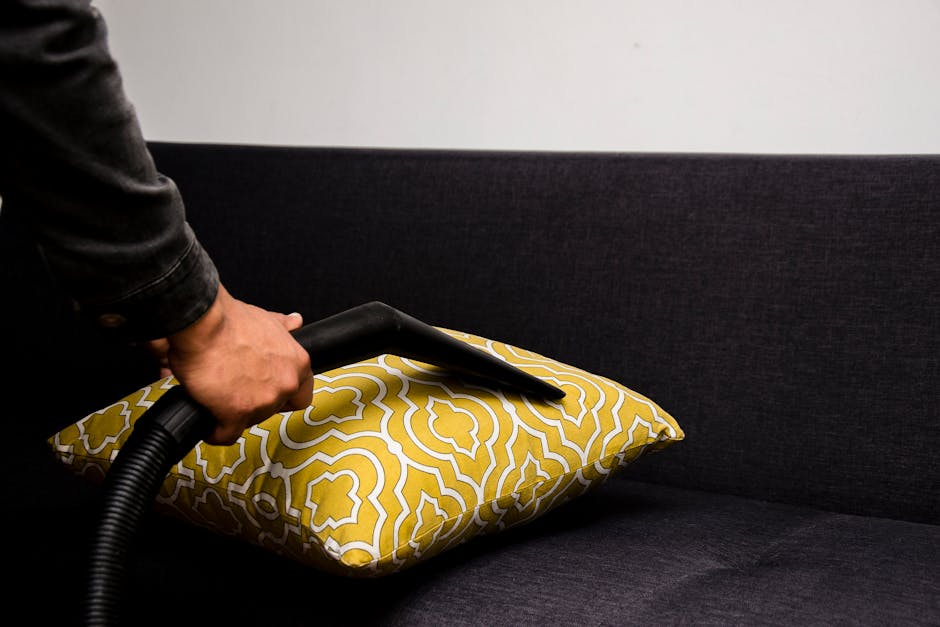
- Vacuuming: Loose dust, crumbs, and hair are removed first so they do not turn into muddy residue during cleaning.
- Spot treatment: Common marks such as food, drink, grease, or pet traces are pre-treated with a suitable solution.
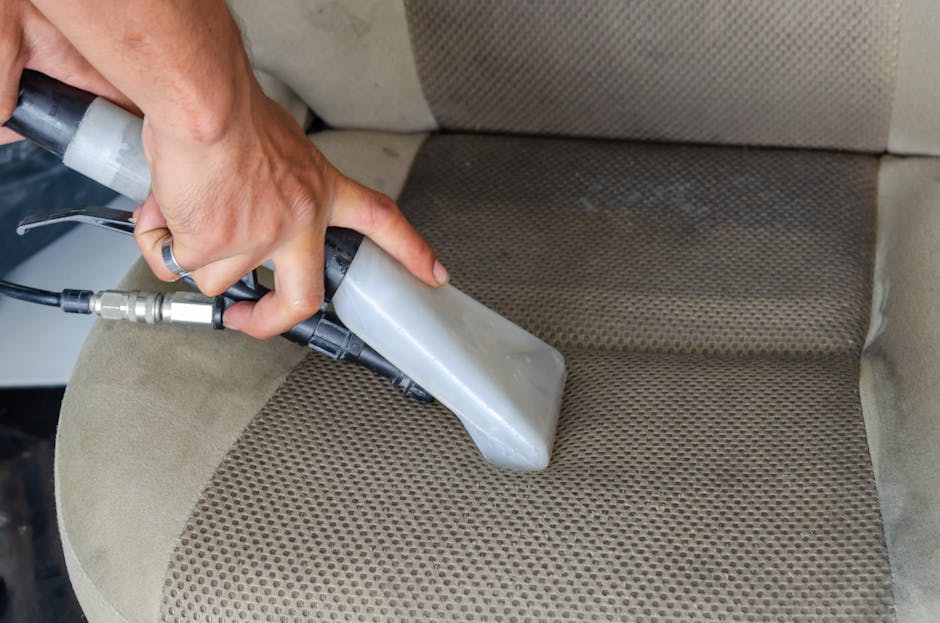
- Main clean: Depending on the fabric, this may involve hot water extraction, low-moisture cleaning, foam, or careful hand cleaning.
- Rinsing or extraction: Soil and cleaning solution are lifted away where appropriate.
- Drying and grooming: The fibres are set neatly and drying advice is given so the item dries evenly.
For many family homes, low-moisture or carefully controlled extraction methods are preferred because they balance cleaning power with sensible drying times. But the right method depends on the piece. A cotton blend sofa is not the same as a velvet chair, and a dining chair is not the same as a deeply cushioned chaise.
If you want a broader deep-clean approach across the home, it can be sensible to pair upholstery care with deep cleaning or even wider domestic cleaning support. That way, the rooms feel reset rather than half-finished.
Key Benefits and Practical Advantages
Let's face it, most people do not book upholstery cleaning just for the pleasure of it. They want the sofa to stop looking tired, or they want the armchairs to feel more hygienic for the children. Fair enough. The benefits are practical, and that is the real appeal.
- Improved appearance: Colours look fresher, marks fade, and the whole room feels brighter.
- Better day-to-day comfort: Clean fabric tends to feel softer and more pleasant, especially on heavily used seats.
- Odour reduction: Spills, pets, cooking smells, and general family living can linger in textiles.
- Longer furniture life: Dirt acts like fine grit. Over time it wears fibres down.
- More usable family spaces: A clean sofa is simply more inviting for reading, resting, or watching TV together.
- Useful for visitors: If you host grandparents, friends, or playdates, fresh upholstery makes the room feel properly cared for.
There is also a small but real emotional benefit. A cleaner sofa can change how a room feels at the end of a long day. You walk in, look around, and the house just seems calmer. Not dramatic, just nicer. That counts.
Families often appreciate that a professional clean can save time too. You do not have to spend a Saturday afternoon trying three different products on one stain and making it worse. Been there? Most people have, or something close to it.
Who This Is For and When It Makes Sense
This service is a strong fit for households with children, pets, frequent guests, or furniture that gets a lot of daily use. It is also helpful if you are moving home, refreshing a playroom, preparing for visitors, or simply trying to bring a bit of order back after a busy season.
In family homes near Ruislip Lido, upholstery cleaning often makes sense in these situations:
- after repeated food or drink spills
- when cushions look flat, darkened, or patchy
- if a sofa has picked up pet smells or hair
- before hosting family celebrations or Christmas gatherings
- when buying a second-hand sofa and wanting a proper refresh
- as part of a regular home care routine, especially for light-coloured fabric
If you only have the odd surface mark, a gentle spot clean may be enough. But if the furniture is noticeably grubby, smells stale, or has multiple stains, a more thorough professional clean is usually the sensible route.
It is also worth saying that not every item should be cleaned in the same way. If the label says "dry clean only" or the fabric looks very delicate, that changes the plan. A careful cleaner should explain this plainly, not bluff their way through it.
Step-by-Step Guidance
If you are booking upholstery cleaning for the first time, here is a straightforward way to think about it.
1. Identify the items that need attention
Walk through the home and note where the problems are. It might be the main sofa, but it could just as easily be nursery chairs, dining seats, footstools, or a favourite armchair that everybody seems to use. Focus on the pieces that affect family life most.
2. Check fabric type and care labels
Look for manufacturer labels where possible. These can help indicate whether the material is suitable for water-based cleaning or whether a gentler method is needed. If the label is missing, a professional should still inspect the item before starting.
3. Ask about the cleaning method
There is no single "best" method for every sofa. Ask what will be used and why. Hot water extraction is effective on many fabrics, while some delicate materials need lower moisture or more specialised treatment. A good answer will sound considered, not rehearsed.
4. Remove loose items and prepare the room
Before the cleaner arrives, clear toys, blankets, magazines, remote controls, and anything fragile from the area. This speeds things up and reduces the chance of accidental damage. Small effort, big difference.
5. Allow proper drying time
Drying is part of the job. Not an afterthought. Good airflow helps, and the cleaner should tell you roughly what to expect. In a busy family home, it helps to plan around school pickups, mealtimes, and bedtime. Nobody wants damp cushions and a child climbing straight onto them five minutes later.
6. Keep on top of maintenance
Once the upholstery is clean, ongoing maintenance matters. Vacuum regularly, deal with spills quickly, and consider a periodic deeper clean for high-use items. That is how you get value out of the service instead of just one nice afternoon.
For homes that also need other areas refreshed, it may be worth looking at sofa cleaning for heavy-use seating, or even pairing the job with carpet cleaning so the soft furnishings match the rest of the room.
Expert Tips for Better Results
Here are the little things that make a surprisingly big difference.
- Vacuum before the cleaner arrives: It saves time and helps lift loose grit first.
- Tell the cleaner about every spill: Even the embarrassing ones. Especially the embarrassing ones.
- Test any DIY product on a hidden area: Fabric can react in unexpected ways.
- Avoid over-wetting: Too much moisture can leave marks and delay drying.
- Open windows where practical: Gentle airflow can help the process along.
- Use washable throws if your family sofa gets heavy daily use: They are not glamorous, but they are helpful.
One useful tip many people miss: if a stain is old, do not scrub it harder. Scrubbing can push it deeper or roughen the fabric. Dab, don't grind. A little patience goes further than enthusiasm here.
Another small thing. If you have children who treat the sofa like a snack station, you may want to set a simple routine after the clean: no drinks on the seats, blankets folded away, and a quick weekly vacuum. It sounds boring. It works.
Common Mistakes to Avoid
Upholstery can be forgiving, but not infinitely so. Some mistakes are very common, and a lot of them are completely avoidable.
- Using the wrong product: Bleach, harsh detergents, and random spray bottles can damage fabric or leave residue.
- Rubbing stains too aggressively: This often spreads the mark or distorts the pile.
- Ignoring fabric instructions: A velvet chair and a synthetic sofa do not need the same treatment.
- Leaving spills too long: The longer a stain sits, the harder it can be to lift.
- Booking on price alone: Cheap can be expensive if the result is poor or the furniture is left damp and patchy.
- Not asking about drying: This is where family routines can get disrupted if nobody planned ahead.
Also, do not assume every mark will vanish completely. That would be lovely, but real life is real life. A professional clean often improves appearance dramatically, yet some stains, dye transfers, or fabric wear may remain visible. Honest expectations save disappointment.
Tools, Resources and Recommendations
You do not need a garage full of equipment to care for upholstery at home. A sensible household setup is usually enough between professional visits.
Helpful home-care items
- a decent vacuum with an upholstery attachment
- a soft brush for crumbs and pet hair
- clean microfibre cloths
- plain white towels for blotting spills
- a gentle fabric-safe spot cleaner, used carefully
For bigger jobs, many families prefer to rely on a professional cleaning company that understands domestic furniture, fabric safety, and practical scheduling. That is particularly useful if you are already juggling school runs, work, and weekend plans around the Lido.
If you are comparing services, it also helps to review pricing and quotes carefully. Look for clarity about what is included rather than just the headline number. Hidden extras are nobody's favourite surprise.
And if reassurance matters to you, a company should be willing to explain its insurance and safety approach in plain English. That is part of professional service, not a bonus.
Law, Compliance, Standards, or Best Practice
For most families, the practical concern is safety rather than legal complexity. Still, good upholstery cleaning should follow sensible UK best practice. That means careful assessment, appropriate chemicals, safe handling of equipment, and a clear understanding of fabric risk.
Professional cleaners in domestic settings should work with care around children, pets, electrical items, and walkways. Wet floors, hoses, and cleaning solutions can create trip or slip risks if the job is not set up properly. A tidy process matters. So does communication.
From a customer perspective, it is reasonable to expect a provider to have straightforward policies covering safety, complaints, privacy, payment, and terms. Those documents are not exciting reading, granted, but they do show that the business is properly run. If you want to understand how a company handles service issues, its complaints procedure should be easy to find and easy to understand.
It is also sensible to choose a business that treats data, access, and communication respectfully. For example, a clear privacy policy and transparent payment and security information are basic trust signals. Not flashy, just reassuring.
For environmentally conscious households, recycling and sustainability policies may also matter, especially if you care about waste handling or product use. That is a fair question to ask.
Options, Methods, or Comparison Table
Different homes need different approaches. A quick comparison can help you decide what is appropriate for your furniture and your family routine.
| Method | Best for | Advantages | Watch out for |
|---|---|---|---|
| Hot water extraction | Many synthetic sofas, heavy soil, everyday family use | Deep cleaning, strong soil removal, good for freshening tired fabric | Can take longer to dry; not ideal for every delicate material |
| Low-moisture cleaning | Busy homes needing quicker turnaround | Faster drying, good for routine maintenance | May be less effective on heavily soiled items |
| Foam or encapsulation-style cleaning | Light to moderate soil, selected fabrics | Useful where moisture needs to be controlled | Results depend heavily on fabric and stain type |
| Hand-cleaning / specialist treatment | Delicate, vintage, or unusual fabrics | More controlled and fabric-sensitive | Usually slower and more bespoke |
There is no universal winner. The "best" method is the one that suits the fabric, the condition of the furniture, and how soon the family needs the room back in use. Simple as that, really.
Case Study or Real-World Example
Here is a realistic example from a typical family home, the kind you see a lot of in practice.
A couple with two children and a dog noticed that their main corner sofa had become noticeably dull. There was a faint smell from pet blankets, a few dried drink marks, and the seating area looked darker where everybody sat in the evenings. Nothing dramatic, but enough to make the room feel a bit tired.
Before the appointment, they cleared the toys, gave the cushions a quick vacuum, and mentioned a couple of old marks they had tried to remove themselves. The cleaner inspected the fabric, explained the safest approach, and treated the stained areas first. The main result was not just visual. The room felt cleaner. Fresher. More usable.
The family also said they had been avoiding the sofa with pale clothes for months because they did not trust it. After the clean, that worry disappeared. That is the sort of practical change that matters in a household, even if nobody posts about it online. Not glamorous, but useful.
For homes with a similar mix of furniture, it can sometimes make sense to combine this with rug cleaning or other soft furnishing care so the room is refreshed in one go.
Practical Checklist
Use this before booking and before the cleaner arrives.
- Identify which sofas, chairs, or stools need cleaning.
- Check for fabric labels or manufacturer guidance.
- Note any stains, smells, pet areas, or problem spots.
- Ask what cleaning method will be used and why.
- Confirm drying guidance and how long the room may be out of use.
- Move small items, toys, throws, and fragile objects away from the area.
- Decide whether you also want related services such as one-off cleaning or a broader home refresh.
- Read the provider's terms, insurance, and payment information.
- Ask how they handle delicate fabrics or older furniture.
- Plan around the family routine so the furniture can dry properly.
Expert summary: The best upholstery cleaning results come from matching the right method to the right fabric, being honest about stains, and giving the furniture enough time to dry. That combination beats guesswork every time.
Get a free quote today and see how much you can save.
Conclusion
For families near Ruislip Lido, upholstery cleaning is one of those services that quietly improves daily life. It does not just make a sofa look better in photos. It helps a room feel cleaner, more comfortable, and more ready for the real pace of home life. That matters when the house is full of movement, snacks, school bags, and the odd muddy footprint.
The key is to choose a method that suits the fabric, be realistic about what cleaning can achieve, and keep maintenance simple once the work is done. If you do that, upholstered furniture can last longer and stay much nicer to live with. Which, to be fair, is the whole point.
Small improvements add up. A fresher armchair, a cleaner sofa, and a calmer living room can change the feel of a home more than people expect. Sometimes that is enough to make the week feel a bit lighter.
Frequently Asked Questions
How often should families book upholstery cleaning?
That depends on use. For busy family homes, many people look at cleaning high-use sofas and chairs every 12 to 24 months, or sooner if spills, pets, or visible soil build up quickly.
Is upholstery cleaning safe for children and pets?
It can be, provided the correct products and methods are used and the furniture is allowed to dry properly. Always ask what is being applied and follow any aftercare advice carefully.
Can upholstery cleaning remove all stains?
Not always. Fresh stains are usually easier to treat than old ones, but some marks, dye transfers, or fabric wear may remain visible. A good cleaner should explain this honestly before starting.
How long does upholstery take to dry?
Drying time varies by fabric, room ventilation, and cleaning method. Some items may be usable sooner than others, but it is wise to plan for a proper drying window rather than rushing things.
What types of furniture can be cleaned?
Common items include sofas, armchairs, dining chairs, footstools, benches, and some padded headboards. Delicate or antique pieces may need a specialist approach.
Should I vacuum before the cleaner arrives?
Yes, if you can. It helps remove loose dust, crumbs, and pet hair, and it gives the cleaning process a better start. It also saves time on the day.
Is professional cleaning better than DIY upholstery cleaning?
For light marks, DIY spot treatment can help. But for embedded dirt, odours, or multiple stains, professional cleaning is usually more effective and less risky for the fabric.
What should I tell the cleaner before the appointment?
Mention the fabric type if you know it, plus any stains, pet issues, old spill marks, or past cleaning attempts. That context helps them choose the right method.
Can I book upholstery cleaning with other home services?
Often, yes. Some families combine it with house cleaning, window cleaning, or other domestic services so the whole home feels refreshed at once.
What if my sofa has a delicate fabric like velvet?
Delicate fabrics need extra care. The cleaner should inspect the item first and explain whether a low-moisture or specialist method is safer. Do not force a one-size-fits-all approach.
How do I choose a trustworthy upholstery cleaner near Ruislip Lido?
Look for clear pricing, sensible insurance information, plain-language policies, and an explanation of the cleaning method. A trustworthy provider will answer questions calmly and without hype.
Why does upholstery sometimes look cleaner but still feel slightly damp or stiff?
That can happen if the fabric is still drying or if some residue remains. Proper airflow and correct extraction help reduce this. If the item still feels off after drying, ask for advice promptly.