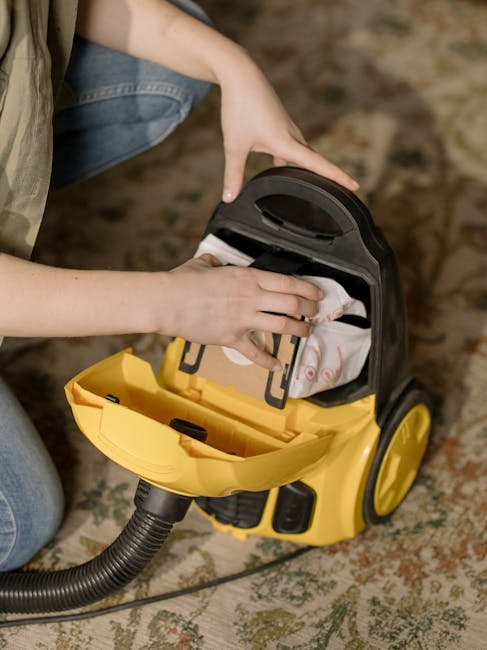
Carpet cleaning Ruislip High Street homes and shops: a practical local guide
Carpets take a beating on a busy street like Ruislip High Street. Homes collect everyday dust, pet hair, drink spills, and muddy footprints. Shops deal with heavier footfall, packed entrances, winter grit, and the slow grey fade that creeps in when a carpet has been worked hard for months. If you are looking into Carpet cleaning Ruislip High Street homes and shops, the real question is usually not whether it helps, but how to get the right result without wasting time, money, or risking damage.
This guide explains what professional carpet cleaning involves, why it matters for both domestic and commercial spaces, how the process works, and what to look for before you book. It also covers common mistakes, practical prep, and the difference between a quick tidy-up and a proper deep clean. Let's face it, carpets can look fine from a few steps away and still be holding onto a lot.
Why Carpet cleaning Ruislip High Street homes and shops Matters
High Street carpets do more than soften a room. In a home, they affect comfort, smell, and day-to-day hygiene. In a shop, they shape first impressions before a customer has even asked a question. A clean carpet makes a space feel looked after. A tired carpet, even if everything else is spotless, can quietly drag the whole place down.
In homes around Ruislip High Street, the usual culprits are familiar: hallway soil, stair traffic, food crumbs, pet odours, and the occasional mystery mark that appeared overnight. In shops, it is often entrance wear, tracked-in moisture, spilled drinks, and dirt settling into the fibres near tills, fitting rooms, or waiting areas. Truth be told, the front few metres often tell the whole story.
There is also the practical side. Dirt acts like tiny sandpaper particles, slowly abrading fibres every time people walk over them. Left long enough, that can shorten the life of a carpet, flatten the pile, and make the area look older than it is. Regular cleaning helps protect the investment, which matters whether you own a flat above the parade or manage a customer-facing unit on the street.
Expert summary: For both homes and shops, carpet cleaning is about more than appearance. It supports hygiene, preserves fibres, reduces odour, and helps a space feel instantly more welcoming.
One more thing. If you have ever opened a door on a damp winter morning and noticed that slightly stale, woolly smell from a well-used carpet, you already know why this matters. Fresh fibres change the feel of a room. Instantly, usually.
How Carpet cleaning Ruislip High Street homes and shops Works
Professional carpet cleaning is typically a controlled, multi-stage process rather than a single wash. The exact method depends on the carpet fibre, the amount of soiling, the kind of stain, and how quickly the area needs to be ready again. A good cleaner will not just start spraying and hope for the best. That would be, frankly, a bit reckless.
1. Inspection and fibre check
The first step is to identify the carpet type, condition, and any problem areas. Natural fibres, blends, and synthetic carpets can all react differently to heat, moisture, and cleaning solutions. This is especially important in shops where the carpet may have been installed to suit a high-traffic environment, or in homes with delicate underlay and older fittings.
2. Dry soil removal
Before any deep cleaning begins, loose dirt is removed by thorough vacuuming. This sounds basic, but it matters. If dry grit is left behind, it can turn into mud during cleaning and make the job less effective. A decent vacuum pass also helps uncover hidden spots that were sitting under surface debris.
3. Pre-treatment of spots and traffic lanes
High-use areas, such as entrance strips, lounge pathways, and desk-side walkways, are usually pre-treated. Spots from tea, coffee, food, or shoe marks may need specific attention. In a small shop, this might mean treating the area in front of the counter first. In a home, it could be the landing where everyone turns on the stairs and leaves a dusty crescent behind.
4. Deep cleaning method
This is where the main cleaning happens. Depending on the carpet and soil level, the cleaner may use hot water extraction, low-moisture cleaning, or another suitable method. The goal is to lift embedded dirt from the fibres without leaving the carpet soaked or overworked. For many households and many commercial units, the right technique is chosen to balance cleanliness, drying time, and fabric safety.
5. Extraction and drying support
After the cleaning solution has done its job, the moisture and loosened soil are removed. Good extraction is what keeps carpets from feeling sticky or taking forever to dry. Airflow matters too. On a damp afternoon in London, a room without circulation can stay tacky longer than you'd like. Nobody wants to tiptoe around wet carpet all evening.
6. Final grooming and finish
The final step may include grooming the pile so it dries evenly and looks neater. That last bit is not cosmetic fluff. It can improve the finish, help fibres stand properly, and make the carpet feel softer underfoot.
If you want a broader view of the process as part of a larger clean, it can help to compare it with deep cleaning services or complement it with upholstery cleaning and rug cleaning when the whole room needs attention.
Key Benefits and Practical Advantages
Carpet cleaning is one of those services that pays back in several ways at once. It does not just make the floor look better, though that is obviously a big part of it. There are practical, commercial, and even emotional gains when a room feels properly clean.
- Better first impressions: Customers notice clean floors before they notice your signwriting or display table.
- Improved everyday comfort: Softer, fresher carpets make homes feel calmer and more settled.
- Reduced odours: Food smells, pet smells, and stale moisture tend to sit in carpet fibres longer than people expect.
- Longer carpet life: Regular care helps reduce fibre wear and flattening in busy areas.
- More hygienic surroundings: Carpets can trap dust and debris that vacuuming alone may not fully remove.
- Less visible staining: Treated quickly, many common marks are easier to manage before they become permanent.
- Cleaner air feel: While not a medical claim, many people simply notice the room feels fresher after a proper clean.
For shops, there is a direct business angle. A welcoming floor helps the whole premises feel more professional. If the carpet at the entrance looks cared for, people often assume the rest of the place is too. It's a small detail. But then again, small details are often the difference.
For homes, the gain is often more personal. You step into the room after the clean and realise the place smells lighter, looks brighter, and somehow feels less cluttered. That is not magic. It is just well-done cleaning.
Who This Is For and When It Makes Sense
This service is a strong fit for several different situations. Some are obvious, some less so.
Homeowners and tenants
If your hallway, lounge, bedrooms, or stairs have visible traffic marks, dull patches, or lingering odours, a professional clean can make a surprising difference. It is especially useful before guests arrive, after winter weather, or when you simply want the room to feel properly reset.
Shops and customer-facing businesses
Retail units, salons, small offices with reception carpets, and mixed-use premises on or near High Street footfall can all benefit. If customers stand or sit in one place for a while, the floor becomes part of the customer experience. A clean carpet quietly supports the whole operation.
Landlords and managing agents
If a property is between occupants, carpet cleaning often makes sense as part of turnover preparation. It is not a replacement for a full end-of-tenancy clean, of course, but it can help present the space better and reduce disputes over general condition. If you are coordinating multiple tasks, you may also want to look at end of tenancy cleaning.
Busy households
Families with children, pets, visitors, and a lot of movement tend to need carpet care more regularly than they think. The problem is not negligence. It is life. Shoes come in wet. Snacks happen. Someone spills juice, someone else swears they didn't, and somehow the stain is now a permanent feature unless dealt with quickly.
After works, renovations, or redecorating
If you have had building dust, paint splashes, or general disruption, carpet fibres can hold onto fine debris long after the room looks tidy. In that case, pairing carpet work with after builders cleaning may be the sensible route.
It also makes sense if your business has seasonal traffic changes. Winter slush, spring pollen, and rainy-day grit all create different cleaning pressure points. In summer, shops often notice dust build-up faster because doors are open more often. Funny how that works.
Step-by-Step Guidance
If you want a smooth result, the work starts before the cleaner arrives. A little preparation saves time and avoids awkward surprises.
- Walk the property first. Note the worst areas, any loose furniture, and stains you want treated. In a shop, check the entrance, tills, fitting areas, and anywhere queues form.
- Vacuum properly. Even if the cleaner will vacuum again, getting loose debris out first helps. It also makes the inspection more accurate.
- Point out stains and delicate areas. Don't assume the technician can read your mind. If there is a bleach mark, old wine stain, or a patch that was already damaged, mention it early.
- Move smaller items where possible. Lightweight chairs, stools, and mats are often easier to clear out beforehand. Large furniture may need to stay in place.
- Confirm the drying plan. Ask how long the carpet is likely to need, especially if the space must be reopened quickly.
- Review access and parking. On a busy High Street, loading and unloading can matter as much as the cleaning itself.
- Check the finished areas. Once the carpet is done, look at edges, corners, and high-traffic routes rather than just the middle of the room.
A practical note: if your property includes mixed floor finishes, it may be worth coordinating with hard floor cleaning so the whole room feels consistent rather than half-done. The same goes for windows and upholstery. It all shows.
Expert Tips for Better Results
Good carpet cleaning is partly technique, partly timing, and partly what happens in the days around the appointment. A few small choices can really improve the outcome.
- Deal with spills fast. The longer a stain sits, the deeper it settles. Blot, don't rub.
- Use entrance mats. Especially for shops, mats can reduce the amount of grit reaching the carpet. Simple, but effective.
- Book before the carpet looks terrible. Waiting until the pile is visibly flat or grey usually means more work later.
- Ask about fibre-safe methods. Wool, synthetic, and blended carpets do not all tolerate the same treatment.
- Keep airflow going after cleaning. Open doors where appropriate, use ventilation, and avoid putting heavy furniture back too soon.
- Spot-test if you are trying anything yourself. Harsh cleaning products can leave a halo or strip colour. Not ideal.
- Think in zones. High-traffic areas may need more frequent attention than guest rooms or storage spaces.
One of the best habits, in our experience, is to treat the entrance area as the first line of defence. That's where most of the wear begins. If that section stays in good shape, the rest of the carpet often follows.
For business settings, it may also be smart to combine carpet maintenance with office cleaning or office cleaners for a more coordinated service. In homes, a scheduled domestic cleaning routine can help prevent grime from building up again too quickly.
Common Mistakes to Avoid
Most carpet problems do not begin with one huge error. They usually come from small habits that add up.
Using too much water or detergent
A carpet that is over-wet can take a long time to dry and may feel sticky afterwards. Too much detergent can leave residue that attracts dirt again. Bit of a trap, that one.
Scrubbing stains aggressively
Scrubbing can damage fibres and spread the stain wider. Blotting and targeted treatment is usually safer than going at it with determination and a cloth. Determination is useful elsewhere.
Ignoring drying time
If a carpet is put back into heavy use before it has dried properly, the pile may mat down and odour can linger. This matters more in commercial spaces where people are moving through all day.
Waiting too long between cleans
By the time a carpet looks obviously dirty, the embedded soil may already be well established. Regular maintenance is easier than rescue work.
Choosing the wrong method for the fibre
Not every carpet should be treated the same way. Delicate fibres and glued-back constructions can require a gentler approach. A good cleaner will adjust accordingly, not just use one method for everything.
Forgetting to clear access
On a busy High Street, cluttered access slows the job down. It can also create unnecessary risk around hoses, equipment, and movement. Clear pathways make sense for everyone.
Tools, Resources and Recommendations
You do not need a van full of equipment to understand what a good carpet clean involves, but it helps to know the basics.
| Method | Best for | Drying time | Notes |
|---|---|---|---|
| Hot water extraction | Deep soil, traffic lanes, most general carpet cleaning | Usually longer than low-moisture methods | Good for thorough cleaning when fibre type and condition suit it |
| Low-moisture cleaning | Busy spaces needing faster turnaround | Typically quicker | Useful where downtime must be limited |
| Spot treatment | Specific stains or marks | Varies | Best as part of a full clean, not usually a stand-alone fix |
| Vacuum-only maintenance | Routine upkeep between deeper cleans | Immediate | Essential, but not enough for embedded dirt |
For many properties, a sensible service combination might include carpet care, sofa cleaning, and window cleaning. That tends to give a much more complete impression, especially in reception rooms or customer areas where people notice everything in one glance.
If you are comparing providers, it is also useful to review practical business details such as pricing and quotes, insurance and safety, and health and safety policy. These pages help you judge whether the company is organised, transparent, and suitable for your property type.
Law, Compliance, Standards, and Best Practice
For carpet cleaning in homes and shops, the main compliance issues are usually practical rather than dramatic. Safe working, clear communication, suitable products, and sensible access arrangements matter far more than fancy language.
In a commercial setting, a cleaning provider should be mindful of site safety, slip risks, cord management, chemical handling, and protecting occupants while work is taking place. In a customer-facing shop, this is especially important because footfall often continues around the job. Good practice means keeping wet areas clearly managed and not creating hazards while trying to fix one.
For households, the main concerns are protecting fabrics, using appropriate products, and being honest about what a stain can and cannot do. Some marks are removable. Some are not. A careful professional will say so rather than promising miracles. That honesty is worth a lot.
It is also sensible to understand business terms before booking. Read the terms and conditions carefully so you know what is included, how access is handled, and what happens if a room is unsuitable for cleaning on the day.
If sustainability matters to you, you may also want to review recycling and sustainability. Responsible waste handling and sensible product use are both part of modern cleaning best practice, even if they are not always talked about enough.
And yes, plain old trust still counts. You want people in your home or shop who treat your property properly, arrive prepared, and don't make a mess of the rest of the place while cleaning the carpet. That seems obvious, but apparently it still needs saying.
Options, Methods, and Comparison Table
Not every carpet clean is the same. The right option depends on the carpet material, the level of soiling, how quickly the space must be used again, and whether you are dealing with a home or a shop.
| Option | Strengths | Limitations | Best for |
|---|---|---|---|
| Professional deep carpet cleaning | Most thorough, tackles embedded dirt and odours | May need drying time and a bit of planning | Homes, retail units, reception areas, stained traffic lanes |
| Routine vacuuming only | Fast and cheap, useful between visits | Does not remove deep grime | Day-to-day upkeep |
| Spot cleaning by hand | Good for immediate spill response | Can leave marks if done badly | Fresh stains and minor accidents |
| Combined carpet and upholstery clean | Creates a more complete refresh | Requires a bigger appointment | Living rooms, waiting areas, consultation spaces |
If you manage a premises with mixed surfaces, the best option may be to treat carpets alongside
Actually, let's correct that properly: for mixed surfaces, compare carpet care with hard floor cleaning so the whole area gets the finish it needs. Different surfaces, different rules. Simple, but easy to forget in the middle of a busy week.
Case Study or Real-World Example
Here is a realistic local scenario. A small shop on Ruislip High Street has a carpeted entrance area and a short customer walkway leading to the till. Over time, the pale carpet starts to show a darker path where people naturally walk. Winter salt leaves a chalky look near the door, and the area begins to feel tired even though the shop is otherwise well kept.
The owner books a carpet clean after trading hours. Before the appointment, they remove portable display stands and clear the entrance mat. The cleaner inspects the fibre, pre-treats the busiest lane, and works section by section so the shop can reopen the next morning without fuss. The carpet does not look brand new, because real life rarely works that way, but the walkway is noticeably brighter, the entrance feels fresher, and the shop no longer gives that "slightly neglected" first impression.
A similar pattern happens in homes. A hallway carpet may seem fine until you look closely and notice the worn track between the front door and the stairs. After cleaning, the room still looks lived in, but cleaner. Lighter, softer. More comfortable. That's usually what people were hoping for all along.
For larger home resets, some people also pair carpet work with house cleaning or home cleaners to make the whole property feel more balanced. It's a practical move, especially if you are preparing for visitors or a busy season.
Practical Checklist
Use this checklist before and after your carpet clean.
- Identify the rooms or shop areas that need the most attention.
- Point out stains, odours, and heavily trafficked lanes.
- Vacuum loose debris before the appointment if possible.
- Clear small furniture, mats, and loose items from the area.
- Check access, parking, and opening hours for shop cleaning.
- Ask about the carpet fibre and the cleaning method being used.
- Confirm the expected drying time.
- Keep foot traffic off the carpet while it is drying.
- Open windows or improve ventilation where appropriate.
- Review the finish at edges and walkways, not just the centre of the room.
- Set a reminder for regular maintenance before the carpet gets heavily soiled again.
If you're dealing with a broader refresh, it can also help to organise one-off cleaning around the carpet appointment, especially after events, winter mess, or a long overdue reset. Small coordination, big difference.
Conclusion
Carpet cleaning for Ruislip High Street homes and shops is about more than removing visible marks. It helps a property feel cared for, protects the carpet itself, and supports a better experience for everyone who walks through the door. In homes, that means more comfort and less built-up grime. In shops, it means a better first impression and a more professional feel from the moment customers arrive.
The best results come from choosing the right method, preparing the space properly, and being realistic about what can be cleaned safely. If you get those basics right, the outcome is usually straightforward: a cleaner space, a fresher feel, and one less thing hanging over your to-do list.
Get a free quote today and see how much you can save.
And if you are still weighing things up, that is completely normal. Good carpet care is one of those quiet jobs that pays you back every time you walk across the room. A small lift, but a real one.
Frequently Asked Questions
How often should carpets be cleaned in a High Street home or shop?
It depends on traffic, pets, children, and the type of business. Busy homes and customer-facing shops usually need more frequent attention than quieter spaces. The key is to clean before dirt becomes embedded and before traffic lanes become hard to reverse.
What is the best carpet cleaning method for shops?
There is no single best method for every shop. High-traffic retail spaces often benefit from a method that balances deep cleaning with drying time. A good cleaner will assess the carpet fibre, the amount of footfall, and how quickly the area needs to be used again.
Will carpet cleaning remove old stains?
Sometimes, yes. Older stains are harder to lift because they may have settled deep into the fibres or changed colour over time. A professional clean can improve the appearance significantly, but no one should promise perfection on every mark. That would be unrealistic.
How long does carpet cleaning take to dry?
Drying time varies with the method used, the carpet type, the weather, and airflow in the room. Better extraction and good ventilation speed things up. In a damp London evening, carpets can take longer than people expect.
Can carpet cleaning help with odours?
Yes, it often helps a lot, especially where odours are trapped in dirt or old spill residue. Pet smells, food odours, and general stuffiness can be reduced when the carpet is properly cleaned rather than just masked.
Is carpet cleaning safe for wool carpets?
It can be, provided the method and products are suitable for wool. Wool needs careful handling and a more cautious approach than many synthetic carpets. Always mention the fibre type before the clean begins.
Should I vacuum before the cleaner arrives?
Yes, if you can. It helps remove loose debris and gives the cleaner a better starting point. Even when a full vacuum is included in the service, a quick pre-vacuum can still make the job more efficient.
What should shop owners do before a carpet clean?
Clear portable displays, mats, and small furniture where possible. Make sure access is easy and let the cleaner know about opening hours, alarms, or any areas that need special care. A little preparation avoids awkward delays.
Can carpet cleaning be combined with other services?
Absolutely. Many people combine it with upholstery care, rug cleaning, window cleaning, or general domestic and office cleaning. If the whole room is looking tired, a combined approach often gives the best value.
How do I know if a cleaning company is trustworthy?
Look for clear information about insurance, safety, pricing, and terms. A reliable provider should communicate clearly, explain the method, and avoid unrealistic promises. If the answers feel vague, that is usually worth paying attention to.
Do I need to move all furniture out of the room?
Not always. Smaller movable items are usually best cleared away, but large furniture may stay in place depending on the method used and the layout. Ask in advance so you know exactly what is expected.
What if my shop has mixed flooring?
That is common. Many premises use carpet in customer-facing zones and hard flooring elsewhere. In that case, it makes sense to plan carpet cleaning alongside the right care for other surfaces so the whole area looks consistent.
Whatever kind of property you are looking after, the main thing is simple: clean carpets make everyday life easier, calmer, and a lot more pleasant. That counts for quite a bit.